










STRAVIX◊ Tissue
Cryopreserved Umbilical Tissue
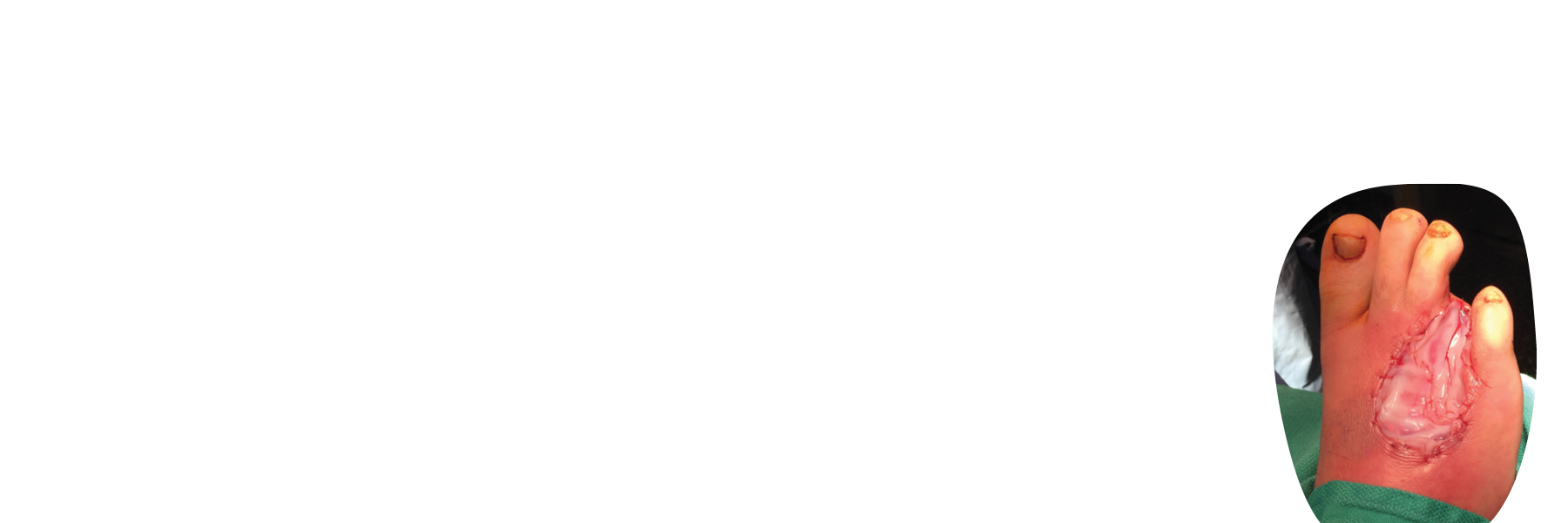
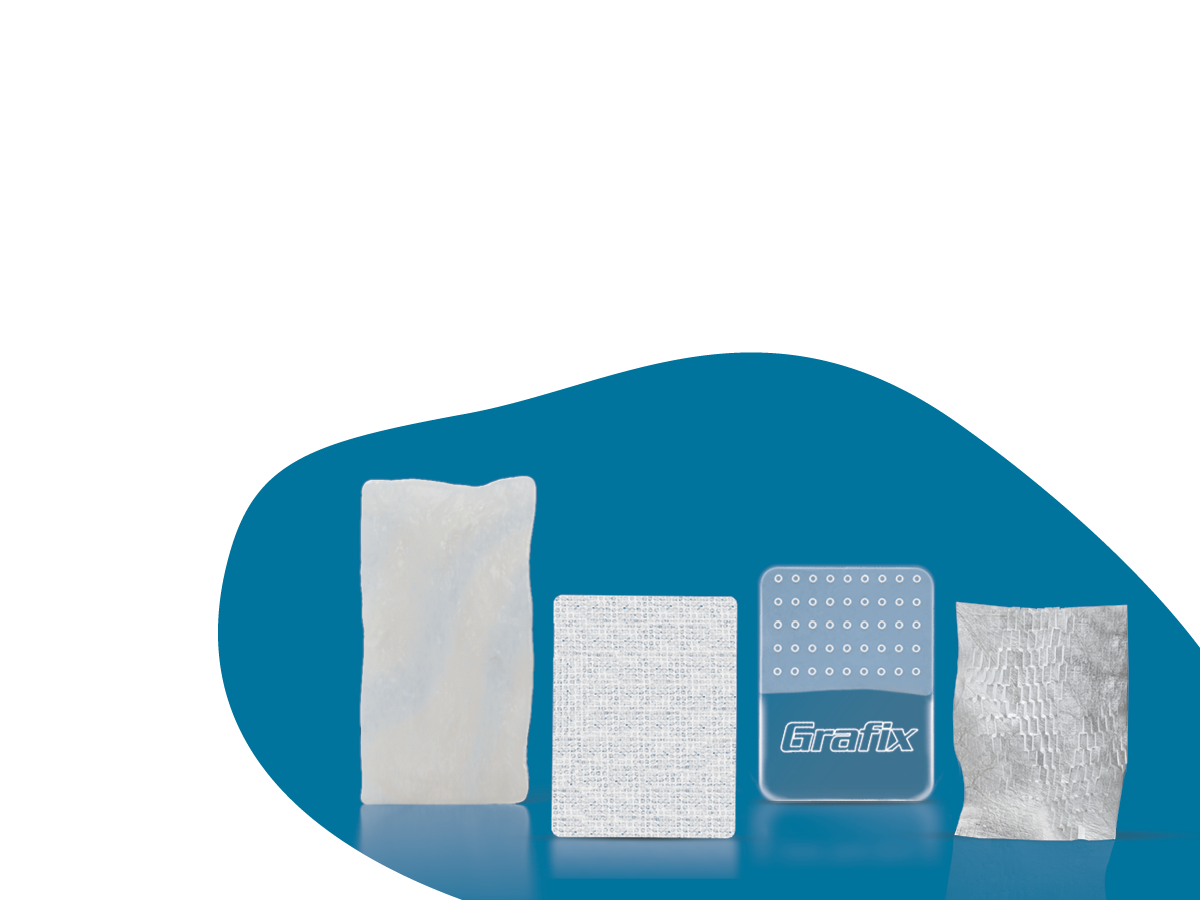
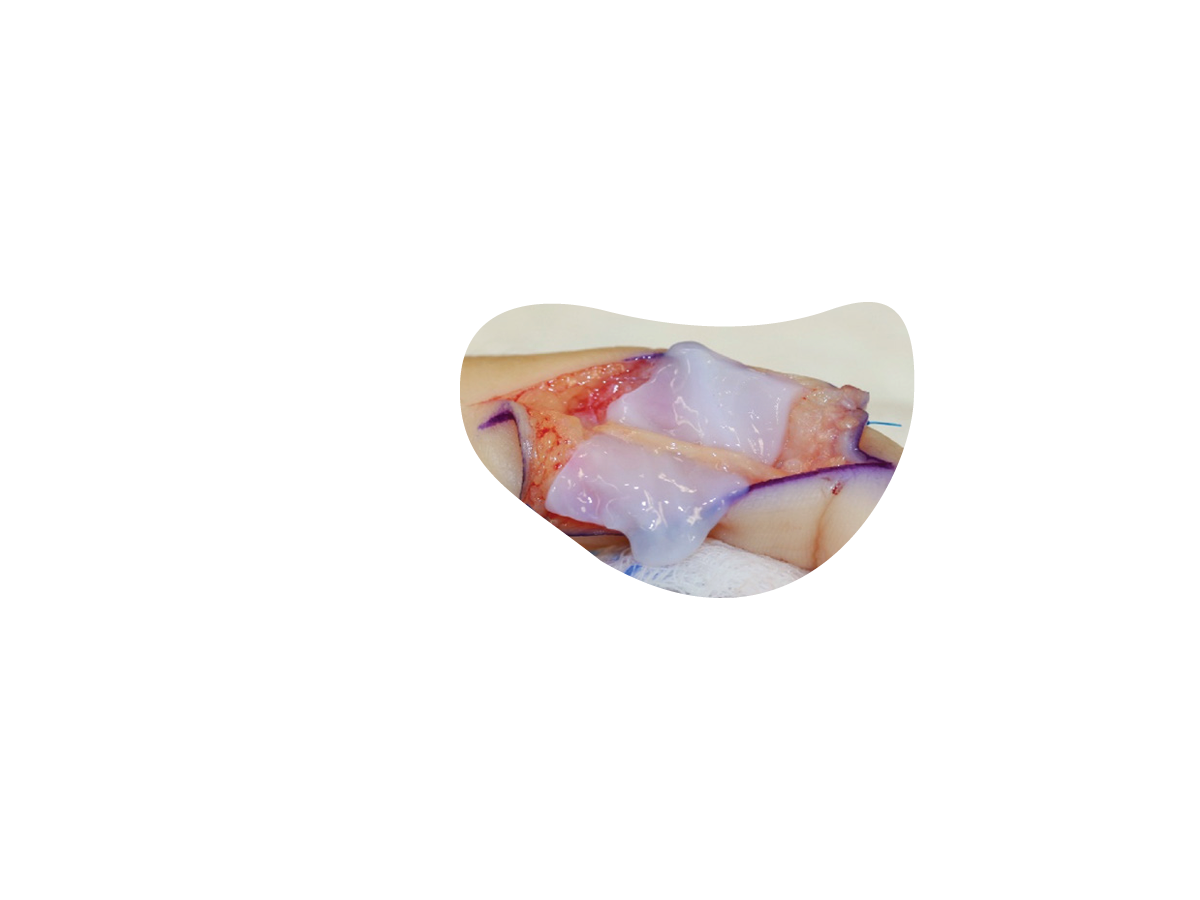
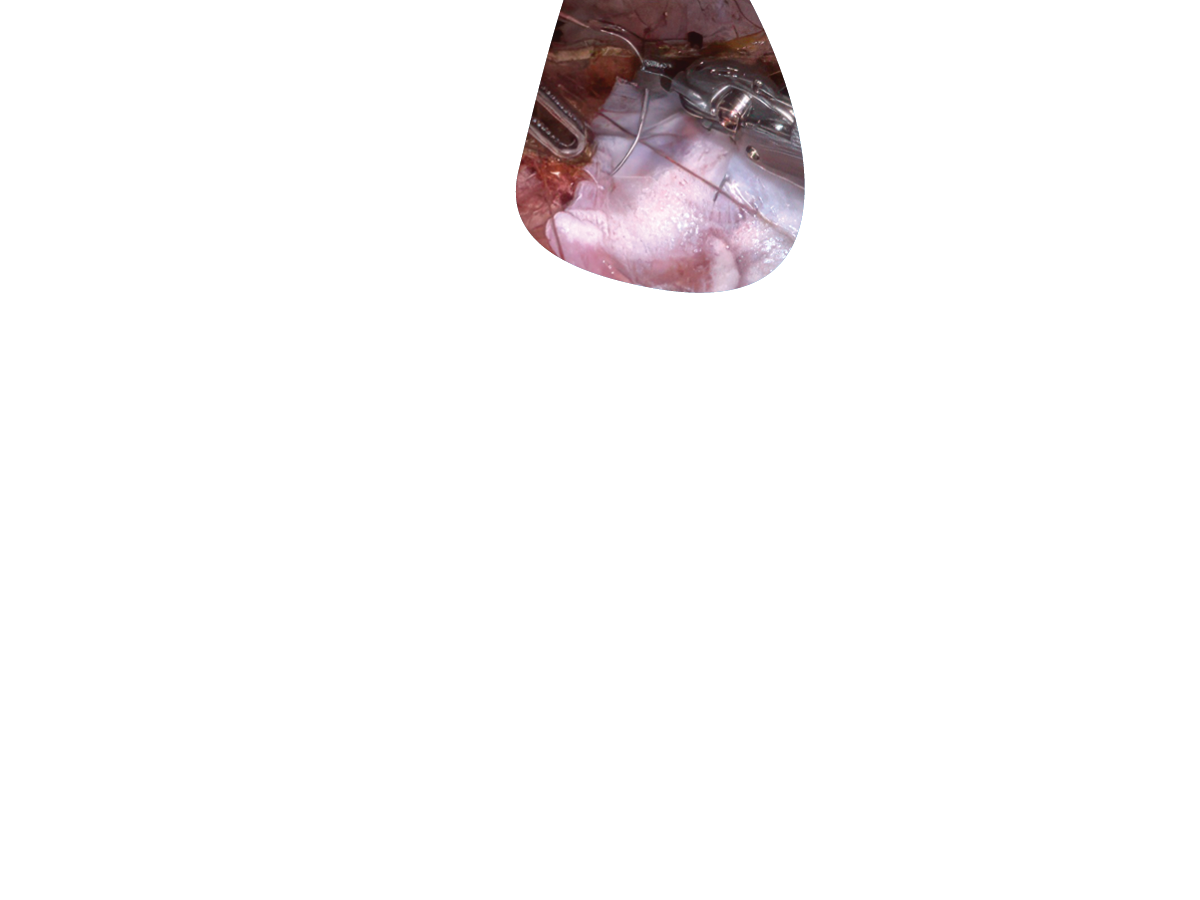
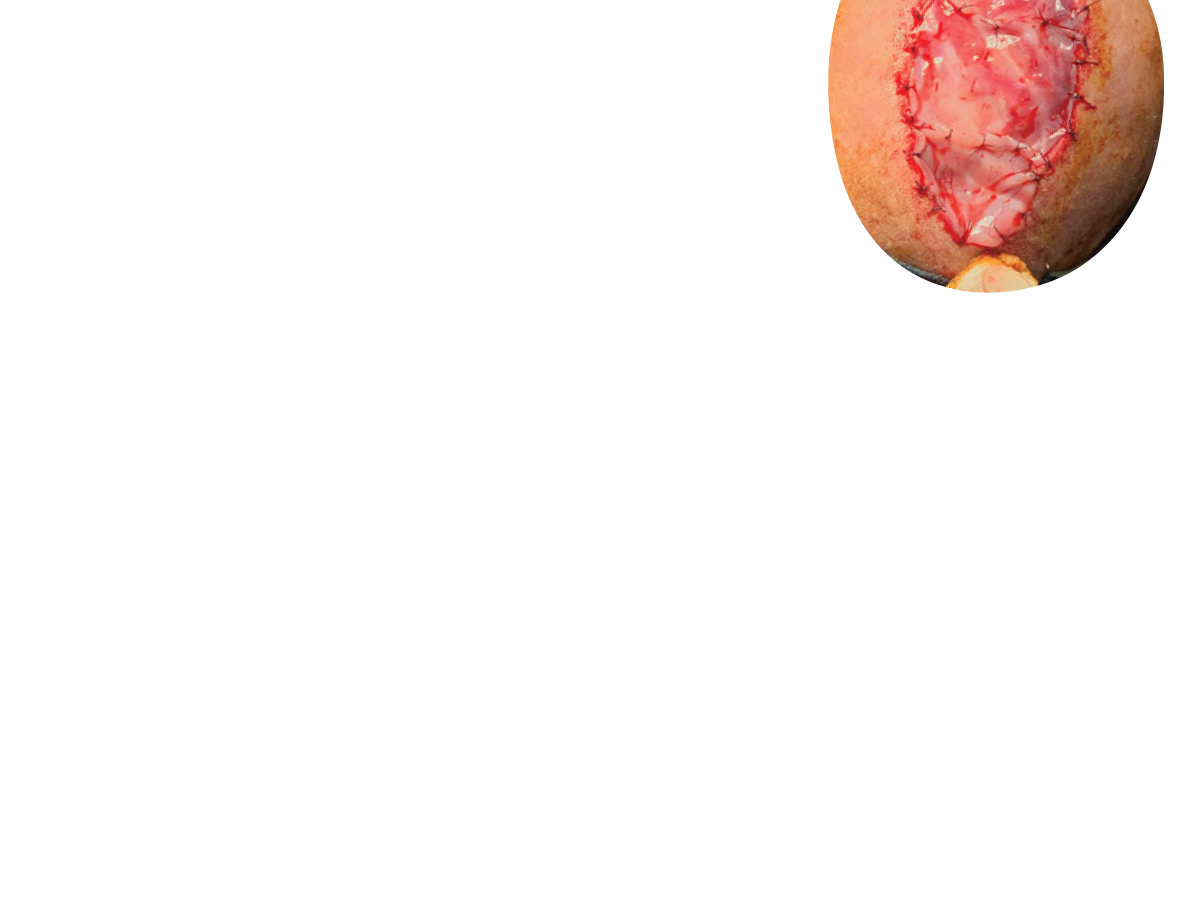
STRAVIX Tissue is composed of preserved umbilical tissue and retains all native components including Hyaluronic acid. It naturally conforms to complex anatomies, and performs across specialties,* from complex soft tissue reconstruction1 to chronic wounds.
STRAVIX◊ PL
Lyopreserved Umbilical Tissue
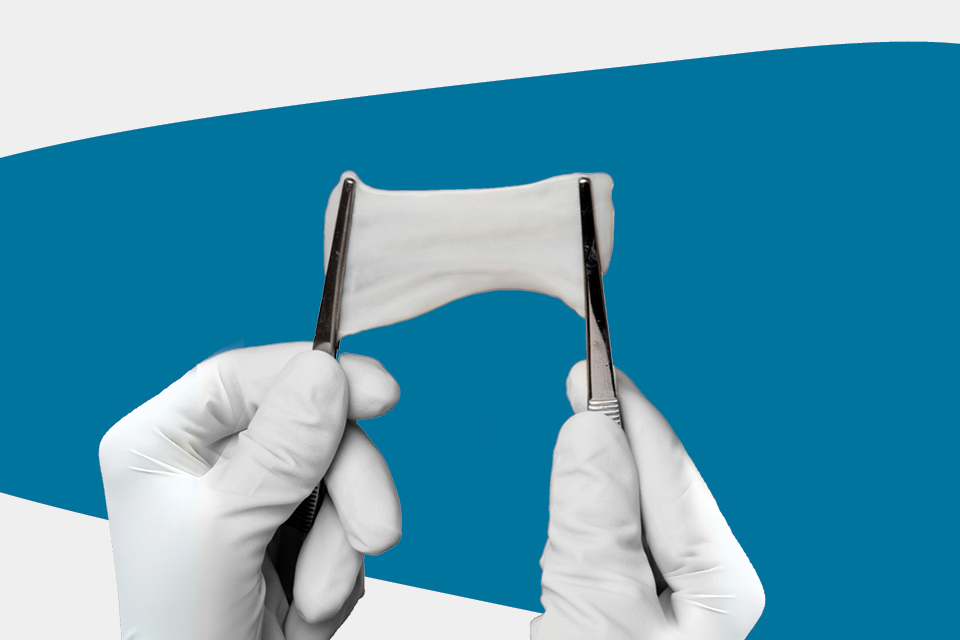
STRAVIX PL Tissue was designed for the realities of today’s OR: fast-paced, high-stakes, and never one-size-fits-all — Delivering the same benefits as STRAVIX◊ Tissue, with the added convenience of room‑temperature storage for easy handling.
GRAFIX◊ XC
Cryopreserved Placental Membrane
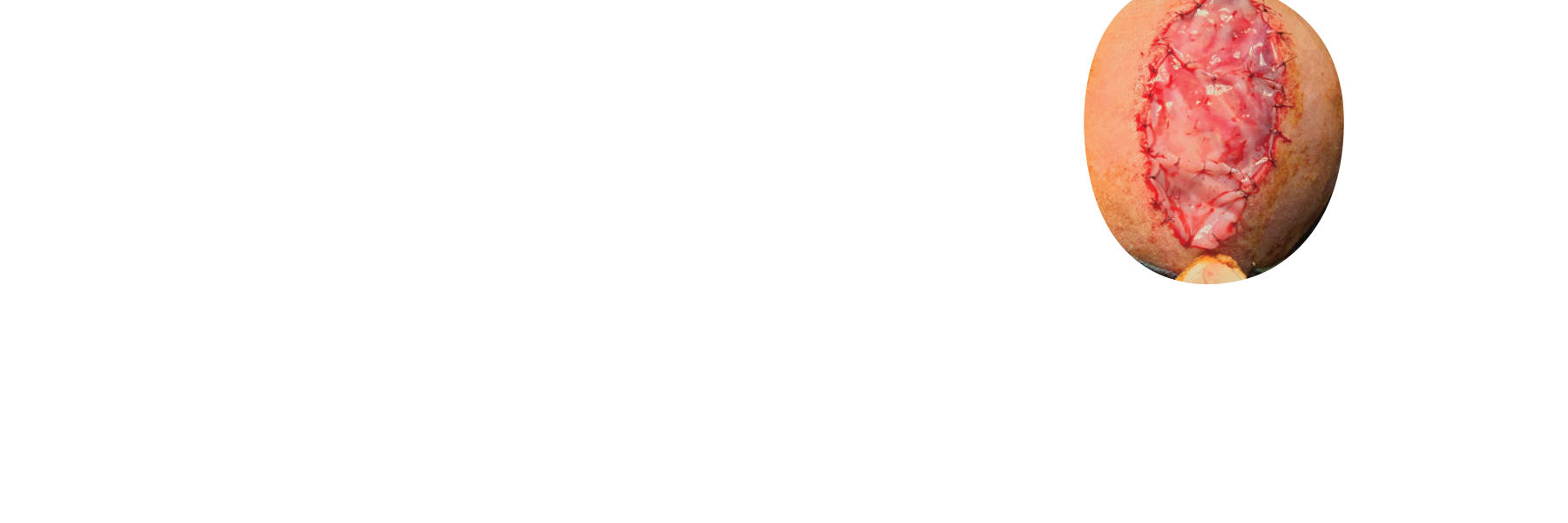
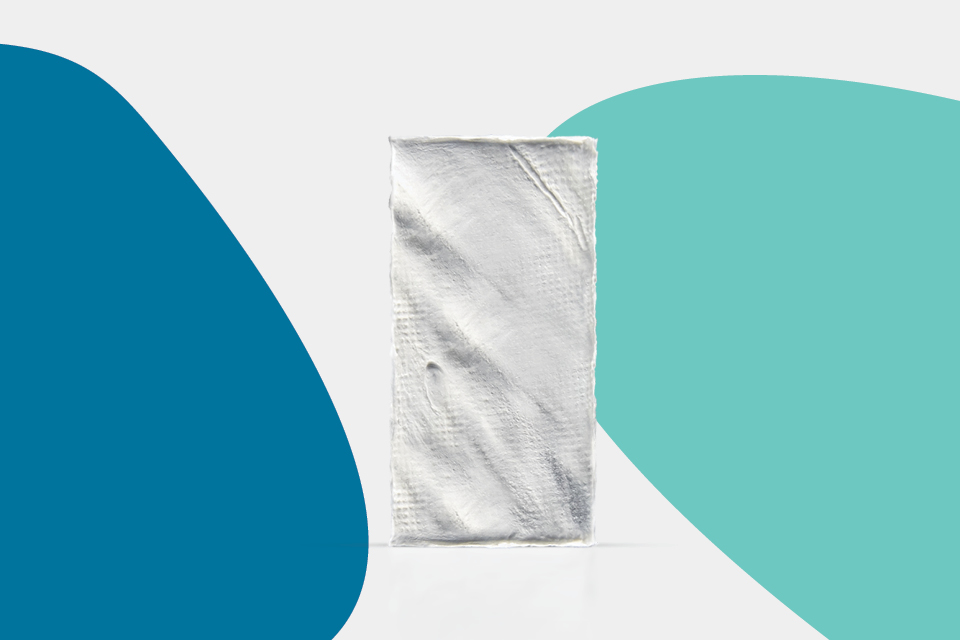
GRAFIX XC Membrane brings the full power of human placental tissue—native cells and an intact extracellular matrix—directly to the wound bed.3,4

GRAFIX PL◊ XC
Lyopreserved Placental Membrane
GRAFIX PL XC Membrane brings the full power of human placental tissue — native cells and an intact extracellular matrix — directly to the wound bed, with the added convenience of room‑temperature storage.3,4

OASIS®
Matrix products
OASIS Matrix products are naturally derived from porcine small intestinal submucosa (SIS), similar to human dermis, retaining the complex extracellular matrix of porcine tissue. OASIS provides a natural scaffold that supports cellular migration and vascular growth.5-17
- Lavery LA, Fulmer J, Shebetka KA, et al. The efficacy and safety of Grafix® for the treatment of chronic diabetic foot ulcers: results of a multi-centre, controlled, randomised, blinded, clinical trial. .Int Wound J.2014; 11(5): 554-560.
- Data on file at Osiris Therapeutics, Inc..
- Dhall S, Sathyamoorthy M, Kuang JQ, et al. Properties of viable lyopreserved amnion are equivalent to viable cryopreserved amnion with the convenience of ambient storage. Plos One. 2018; 13 (10): e0204060.
- Mamede AC, Carvalho, MJ, Abrantes AM, et al. Amniotic membrane: from structure and functions to clinical applications. Cell Tissue Res. 2012; 349 (2): 447-458.
- Mostow EN, Haraway GD, Dalsing M, et al. Effectiveness of an extracellular matrix graft (OASIS Wound Matrix) in the treatment of chronic leg ulcers: A randomized clinical trial."J Vasc Surg. 2005;41(5):837-843.
- Cazzell SM, Lange DL, Dickerson JE, Slade HB. The Management of Diabetic Foot Ulcers with Porcine Small Intestine Submucosa Tri-Layer Matrix: A Randomized Controlled Trial Adv Wound Care. 2015;4(12):711-718.
- Internal Cook Biotech Document: 97-010 VIIA.
- Internal Cook Biotech Document: 97-010 VIIB. 6. Internal Cook Biotech Document: 07-057.
- Internal Cook Biotech Document: 00-027. 8. Internal Cook Biotech Document: 98- 084.
- Brown B, Lindberg K, Reing J, Stolz DB, Badlyak SF. The basement membrane component of biologic scaffolds derived from extracellular matrix. Tissue Eng. 2006; 12(3): 519-526.
- Hodde JP, Badylak SF, Brightman AO, Voytik-Harbin SL. Glycosaminoglycan content of small intestinal submucosa: a bioscaffold for tissue replacement. Tissue Eng. 1996; 2(3): 209-217.
- Hodde JP, Janis A, Ernst D, Zopf D, Sherman D, Johnson C. Effects of sterilization on an extracellular matrix scaffold: Part 1. Composition and matrix architecture. J Mater Sci Mater Med. 2007; 18(4): 537-543.
- Internal Cook Biotech Document: 96-006.
- Hurst RE, Bonner RB. Mapping of the distribution of significant proteins and proteoglycans in small intestinal submucosa by fluorescence microscopy. J Biomater Sci Polym Ed. 2001; 12(11): 1267-1279.
- Kinn PM, Holdren GO, Westermeyer BA, et al. Age-dependent variation in cytokines, chemokines, and biologic analytes rinsed from the surface of healthy human skin. Sci Rep. 2015; 5: 10472. doi: 10.1038/srep10472.
- Son ED, Lee JY, Lee S, et al. Topical application of 17 beta-estradiol increases extracellular matrix protein synthesis by stimulating tgf-Beta signaling in aged human skin in vivo. J Invest Dermatol. 2005; 124(6): 1149-61.
- Kabelitz D, Schröder J-M (eds): Mechanisms of Epithelial Defense. Chem Immunol Allergy. Basel, Karger, 2005, vol 86, pp 22-41.
- McGrath JA, Eady RAJ, Pope FM. Anatomy and organization of human skin. In Burns T, Breathnach S, Cox N, Griffiths C, editors, R
*Can be used as a wrap, cover, or barrier