





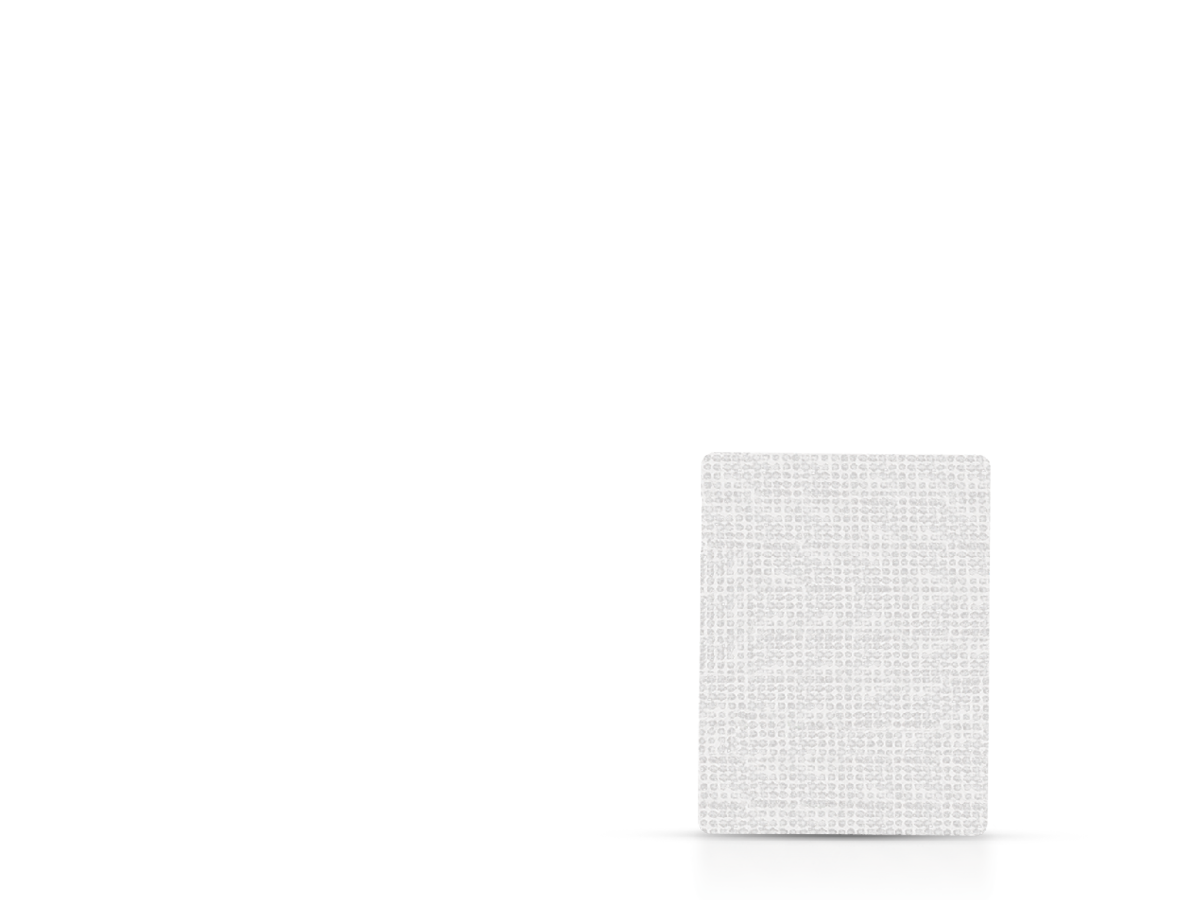


When a wound stalls, so does everything else in your patient’s life. GRAFIX PL Membrane is a lyopreserved human placental membrane engineered for real-world wound care. It retains native tissue components that live happily on the shelf at room temperature.
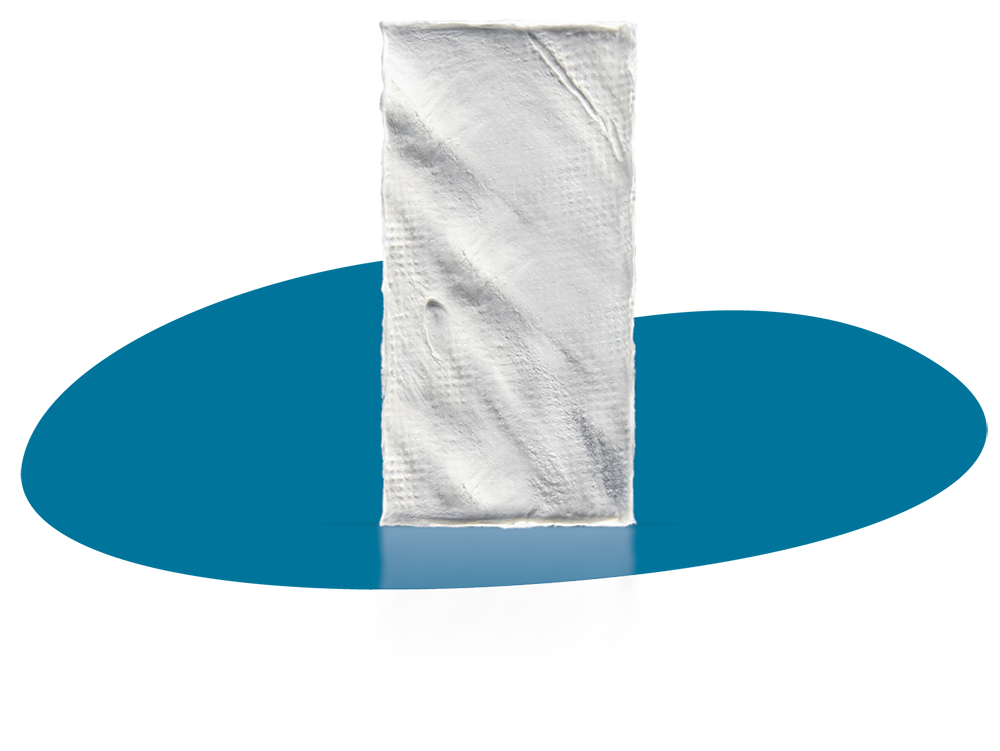
At a glance
- Lyopreserved placental membrane that preserves extracellular matrix and viable placental cells.1-2
- Room-temperature storage for true off-the-shelf availability means no freezer, no thaw time, no workflow drama.
- Designed for application directly to acute and chronic wounds, including those with exposed bone, tendon, joint capsule, muscle, or hardware.
- Multiple graft sizes help reduce waste and streamline inventory.
Why GRAFIX PL Membrane works
Human placental tissues are naturally rich structural matrices: collagen, elastin, laminin, fibronectin, endogenous cells and cytokines that support normal wound repair.1,2
GRAFIX PL Membrane uses advanced lyopreservation to:
- Maintain the native extracellular matrix (ECM) as a structural tissue graft.
- Preserve endogenous growth factors and signaling molecules that help jump-start stalled wounds.
- Retain viable cells that interact with the wound bed while avoiding extensive manipulation of the tissue.


Where GRAFIX PL Membrane fits
GRAFIX PL is developed as a wound cover for a wide variety of acute and chronic wounds from head to toe, including:
- Diabetic foot ulcers (DFUs)
- Venous leg ulcers (VLUs)
- Pressure injuries
- Dehisced or compromised surgical wounds
- Traumatic and post-operative wounds
GRAFIX PL is stored at room temperature and can be used in outpatient wound centers, clinics, and physician offices when a tissue graft is needed.
- Dhall S, et al. Plos One. 2018; 13 (10): e0204060.
- Mamede AC, Carvalho, MJ, Abrantes AM, et al. Amniotic membrane: from structure and functions to clinical applications. Cell Tissue Res. 2012; 349 (2): 447-458.